Teachers questions whether tighter checks will work, lament addition to workload
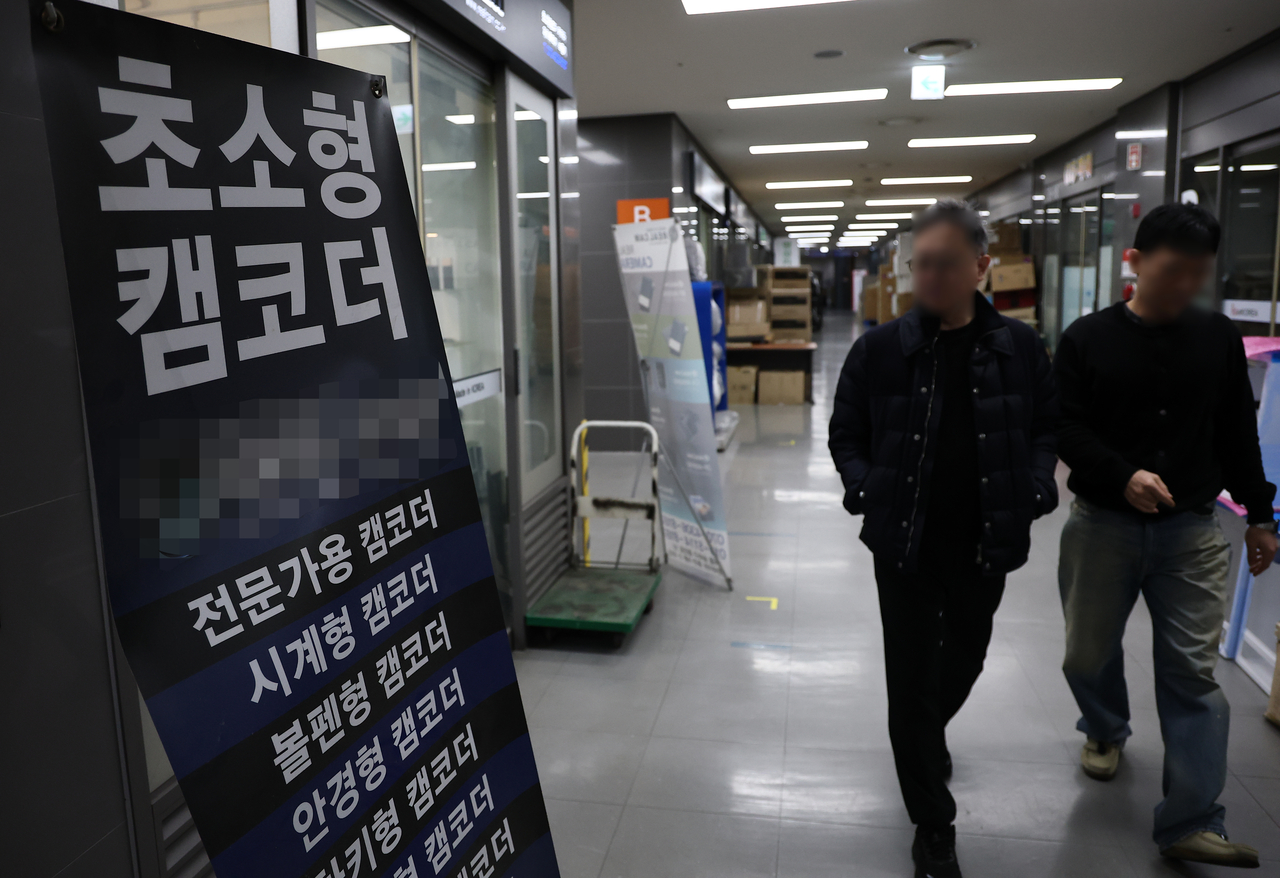
Proctors will check every pair of glasses and every watch worn by test-takers at Thursday’s national college entrance exam, Prime Minister Han Seong-sook said Tuesday, announcing tighter checks to prevent artificial intelligence-assisted cheating.
Speaking at a Cabinet meeting two days before the College Scholastic Ability Test, or Suneung, is held nationwide, Han described AI-assisted cheating as a “social evil” and said the government would activate an interagency emergency response team.
“All smart devices, including smartphones, will be switched off and collected, while proctors will inspect students’ glasses and watches, as well as collars, sleeves and buttons,” Han said.
The government will deploy additional proctors and require test-takers to leave their bags in hallways or other areas outside exam rooms.
Officials will periodically check whether electronic devices are operating inside the bags.
Han also said the government would tighten oversight of Wi-Fi around test centers. At a meeting with relevant ministries Monday, she asked the Science Ministry to look into disabling public Wi-Fi at test sites during exam hours.
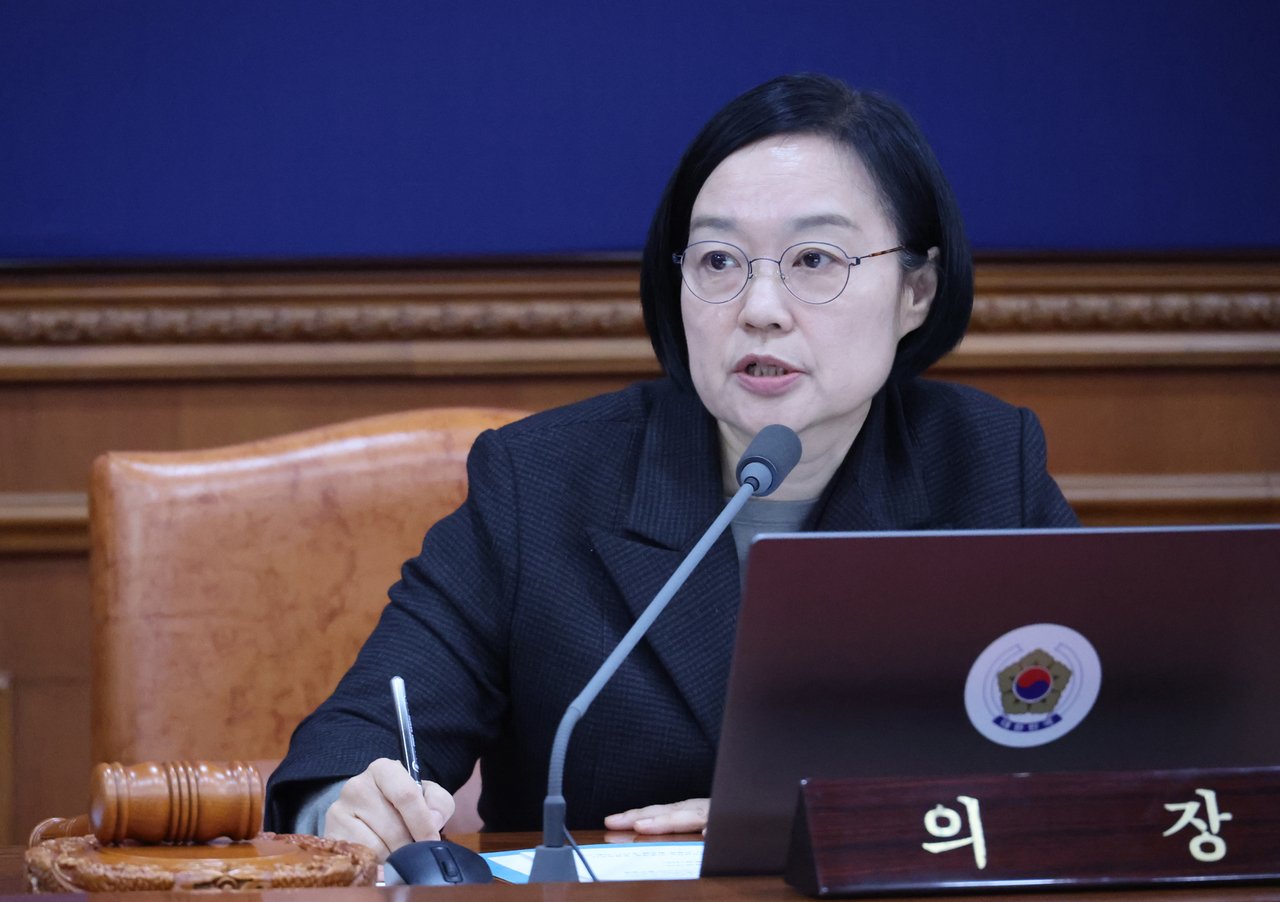
The Education Ministry said Monday that staff assigned to identify smart glasses would be on duty at each of the country’s 1,312 Suneung test centers.
In Seoul, education officials have trained exam staff to look for clues such as thick frames and features around the lenses. Staff assigned to identify smart glasses can refer difficult cases to education authorities for further review.
A senior official at a teachers’ union questioned whether the measures would work, saying they still relied heavily on teachers to detect cheating.
“Collecting electronic devices and leaving them outside is something we have already been doing,” the official told The Korea Herald. “I don’t think this is really an effective response.”
“Instead of introducing new systems or institutional safeguards, the government’s response remains focused on giving teachers more duties and asking them to supervise exams more thoroughly.”
The ministry is still reviewing ways to detect miniature cameras, which can be concealed in clothing or other personal belongings. Education Minister Choi Kyo-jin said Monday that the ministry was considering additional detection equipment, including radio-frequency detectors and metal detectors, for future exams.
The government also plans to use its Suneung reporting center to receive tips and work with police to investigate suspected cheating.
Han said officials would pursue cases even after the exam and look into suspected attempts to organize cheating in advance.
Possible penalties include invalidating exam results and restricting eligibility for future exams. Cases may also be referred to police.
The Democratic Party of Korea said Tuesday it would begin drafting a special law to crack down on AI-assisted cheating, proposing to extend the ban on taking the Suneung from one year to 10 years for test-takers caught using AI to cheat.
“We will actively support the government’s efforts to prevent AI-assisted cheating and immediately begin drafting a special law to impose tougher penalties,” party leader Kim Min-seok said at a meeting of party lawmakers at the National Assembly.
Kim said the party would fast-track the legislation with the aim of applying the longer ban to this week’s exam. He also said investigations could lead to the revocation of university admission or criminal penalties.
The tightened checks follow a cheating scandal involving the top scorer on this year’s national tax accountant exam.
Han Won-seok, 34, admitted to the scheme on Sunday. He wrote in a confession that he had used a miniature camera to photograph questions, sent the images to generative AI and viewed the answers on a small monitor. He reported using the method in both stages of the exam.
Han appeared for police questioning as a suspect Tuesday morning in Seoul and apologized to other test-takers.
seungku99@heraldcorp.com